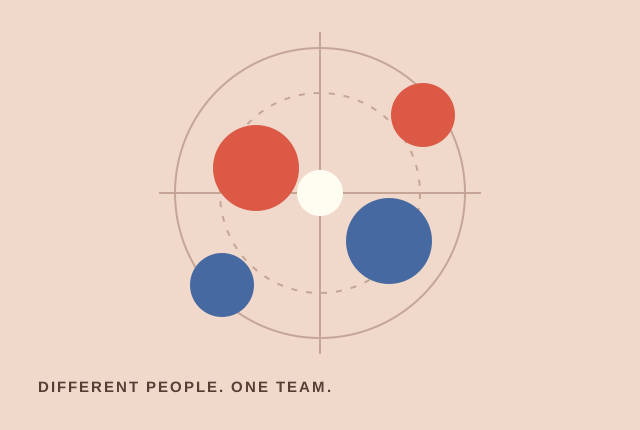
A workshop with time to actually play
A good introduction should answer the obvious questions without keeping everyone listening for too long. What is the white ball for? Who plays next? How do you know who has scored? Seeing those ideas on the court helps the explanation make sense.
After the demonstration, participants need time to explore how the balls move on the available surface. Only then does a friendly game become a useful next step.
An example workshop flow
This is a planning example, not a fixed package or confirmed duration:
- Welcome and setup: introduce the space, equipment and safe movement around the court.
- See the game: demonstrate a short sequence and explain the target.
- Try the basics: practise direction and distance with simple challenges.
- Play together: use a friendly format appropriate for the group.
- Wrap up: recap the rules and talk about a memorable team decision.
For enrichment days, staff activities and community events
A workshop is useful when you want a complete first experience within a wider event. If groups are moving between stations, share the rotation times and expected numbers. If everyone stays for the full session, the plan can allow more time for games and feedback.
Make the brief practical
Tell us your participants, objective, venue, available duration and date. Include setup and pack-down windows if the venue is shared. If the event needs assistive equipment, additional support or a particular language arrangement, bring that into the first conversation.
For regular skill development, explore boccia coaching enquiries. For a teacher-led booking, start with our school programme information.